
The rise of at-home facial devices
Why beauty routines are starting to look more like skincare labs
The Trend
A new category of beauty products is reshaping skincare routines: at-home facial devices. From LED masks to vibrating massage tools, consumers are increasingly turning to technology to replicate professional skincare treatments from home.
What was once limited to dermatology clinics and med-spas is now being redesigned for everyday use. These devices promise benefits ranging from improved product absorption to collagen support and skin tightening.
Brands like Medicube, Skin Gym, CurrentBody, and NuFACE are helping lead the shift toward technology-driven skincare routines.
why facial devices are booming
Clinic treatments going mainstream
Consumers are increasingly interested in treatments that mimic professional facials without visiting a dermatologist or spa.
Social media demonstrations
Platforms like TikTok and Instagram have helped make skincare devices go viral through tutorials and before-and-after demonstrations.
Results-focused skincare
Modern consumers are prioritizing skincare products that promise visible results rather than purely cosmetic benefits
Trend #1: LED Light therapy
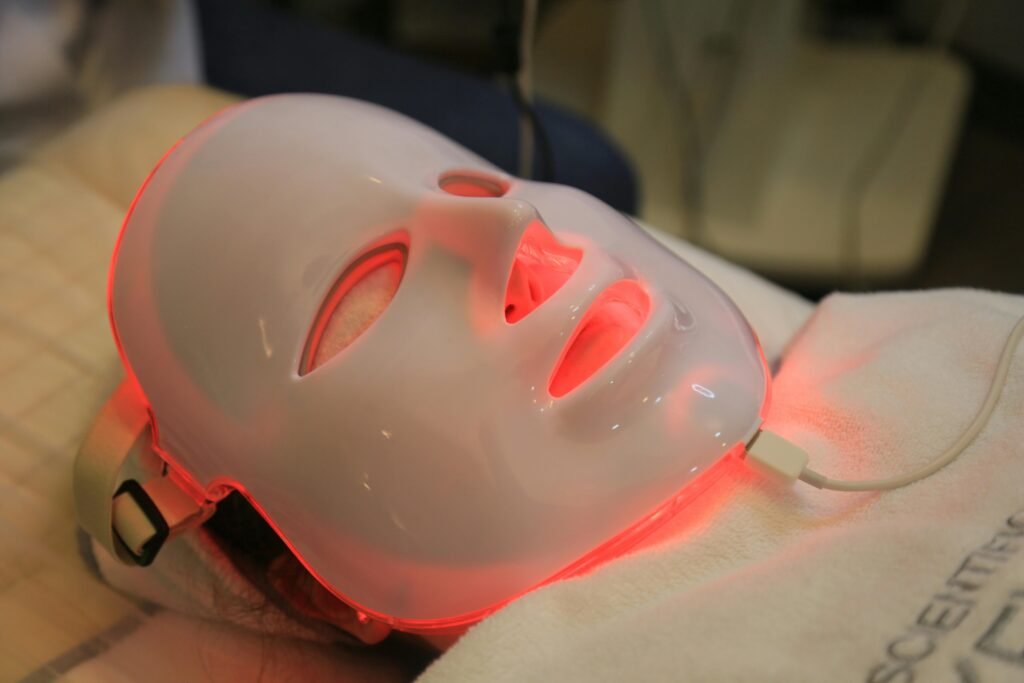
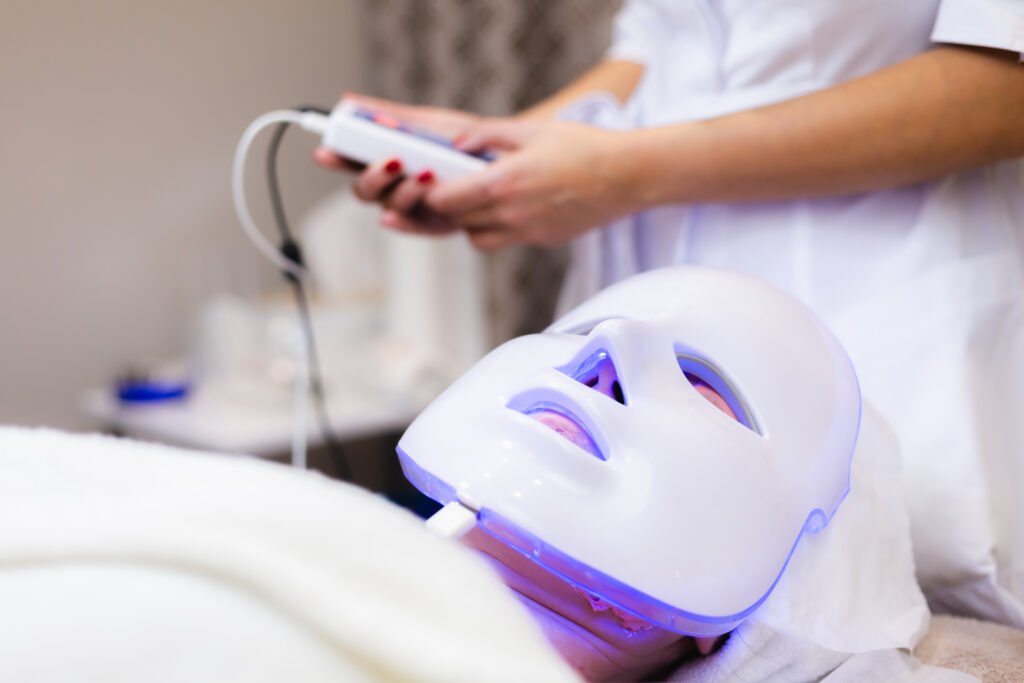
LED masks have become one of the most recognizable skincare devices on the market. These masks use different wavelengths of light to address specific skin concerns.
Red light is commonly associated with collagen support, while blue light is often marketed to help reduce acne-causing bacteria.
Brands like CurrentBody and Dr. Dennis Gross Skincare have helped bring LED therapy into everyday skincare routines.
Trend #2: tech enhanced facial massage
Traditional facial massage tools are also evolving with new technology.
Brands like Skin Gym have introduced vibrating facial tools that combine classic beauty rituals—such as gua sha—with electronic stimulation designed to improve circulation and reduce puffiness.
This category reflects a broader beauty trend that blends ancient skincare traditions with modern technology.
Trend #3: microcurrent and skin-lifting devices
Microcurrent technology is another fast-growing segment of the beauty device market. These devices deliver low-level electrical currents designed to stimulate facial muscles and temporarily lift the skin.
Brands like NuFACE have helped popularize this technology by marketing their devices as non-invasive alternatives to professional treatments.
Microcurrent tools are often positioned as at-home facial toning devices.
Trend #4: beauty tech goes mainstream
Major consumer technology brands are now entering the beauty device market, signaling how quickly this category is expanding.
For example, Shark Beauty has recently launched skincare devices designed to deliver spa-style treatments at home. The brand, which is part of SharkNinja, reflects a growing crossover between consumer electronics and the beauty industry.
Meanwhile, brands like Medicube have gained viral attention for devices such as the AGE-R Booster, which helps enhance the absorption of skincare products.
what this means for the beauty industry
The rise of facial devices signals a broader shift in the beauty market. Skincare routines are becoming increasingly technology-driven, with consumers incorporating tools alongside traditional creams and serums.
For beauty companies, this trend represents an opportunity to expand beyond cosmetics and position themselves closer to beauty technology and wellness innovation.
As the category grows, experts expect more brands—both beauty and tech—to develop devices designed for everyday skincare routines
the beauty briefcase take
At-home facial devices are quickly moving from novelty products to core components of modern skincare routines. As technology continues to reshape the beauty industry, the line between skincare, wellness, and consumer tech is becoming increasingly blurred.
For consumers, the future of skincare may look less like a vanity table—and more like a mini skincare laboratory at home.